When you think about sharing or selling your photographs, prints may come to mind first. Perhaps you picture your work in galleries, at art fairs, or in a portrait collection. Publishing photo books gives those images another home: a sequence that readers can hold, revisit, and experience at their own pace.
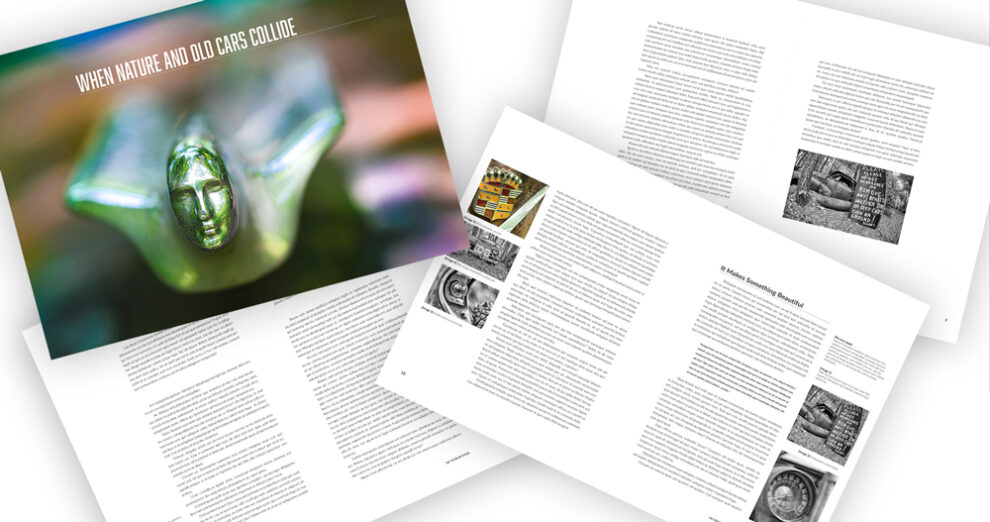
A book can bring photographs together in a way that a wall or a screen cannot. One image introduces another. A quiet frame can give a dramatic photograph room to breathe. Captions can supply context without taking attention away from the work.
The printing process is only one part of the project. Before choosing a service, I would begin with what the book is meant to say, who it is for, and how much work I can reasonably put into it.
Getting Started: Identify the Purpose of the Book
First, decide on the story, subject, or artistic idea that holds the photographs together. A book about one place may follow the seasons. A family collection may move through time. A personal project might explore a feeling or a visual pattern. The photographs do not need to explain everything, but they should belong together.
Look at books that serve a similar purpose. Notice their size, pacing, image count, and use of text. This is a way to understand the choices available, rather than a reason to copy another photographer’s design. Then make a rough sequence of your own pictures.
Photography Updates
Get my latest articles, thoughts on photography and creativity, and Photography Clips episodes in your inbox.
Next, decide why you want to publish. A gift for family, a portfolio for prospective clients, and a book intended for sale have different needs. That purpose will help you choose the format, budget, quantity, and amount of promotion. A meaningful small edition is a worthwhile goal even if you never pursue wide distribution.
Publishing Methods
Traditional publishing and self-publishing offer different balances of support and control. A traditional publisher selects projects and takes on publication costs, usually in exchange for agreed rights and a share of sales. Submission routes vary: some publishers consider proposals directly, while others work through agents. Research each publisher’s current submission instructions before sending a proposal.
Self-publishing puts the editing, design, production, and promotion in your hands. You can hire help for particular stages rather than doing everything alone. Print-on-demand services let you order books as needed; a larger print run may offer other production choices but requires more planning for storage and sales. Compare actual samples and current specifications before choosing a printer.
Services such as Blurb and Amazon Kindle Direct Publishing offer different book formats and printing options. Availability depends on the format, paper, color option, and sales channel. Choose the combination that suits your photographs instead of assuming every book service produces the same result.
Be careful with paid publishing packages. Paying an editor, designer, or printer for clearly defined work can be useful. That is different from buying a costly package on the promise of exposure or sales. Compare the deliverables, rights, costs, and distribution arrangements, and take time to understand what you are purchasing.
Design and Proof Your Photo Book
Edit the selection before polishing the layout. Repetition can weaken a book even when the individual photographs are strong. Make a simple mock-up and turn through it as a reader would. Check the opening, the transitions, and the final image. Give photographs enough space, and keep type sizes and margins consistent.
Prepare images and cover files to the printer’s specifications. Check resolution at the intended printed size, page dimensions, bleed, safe margins, and any color-management instructions. Do not assume that a bright monitor is showing you exactly how ink on paper will look.
Order a physical proof before offering the book for sale or committing to a larger order. Inspect photographs, shadows, skin tones where relevant, captions, page numbers, crops, and the gutter between pages. Read every line again. Correcting a file before distribution is much easier than discovering the problem after readers receive it.
Promoting Your Books
A finished book still needs a way to reach its readers. Start with a clear page on your website showing the cover, a few representative spreads, the subject, and how to obtain a copy. Explain what makes the collection meaningful rather than relying on a list of printing specifications.
Share the project with people who already follow your photography. A mailing list can help readers hear about the release, provided they have chosen to receive those messages. Social platforms can also show the making of the book, the decisions behind the sequence, or a few finished spreads. Choose places where your audience already spends time instead of trying to maintain every platform.
Local exhibitions, talks, bookshops, and photography groups may offer opportunities when the book fits their interests. Start with a realistic quantity and a clear plan for orders and fulfillment. Publishing photo books does not guarantee income, but it can give a body of work a lasting form.
If you have a story to tell through photographs, a book is worth considering. Begin with the pictures and the reason they belong together. Let those decisions guide the printing and promotion that follow.
Learn More
Blurb: Photo Books and Printing Formats
Kindle Direct Publishing: Print Options and Proof Copies