Twenty minutes doesn’t sound like enough time to do much with a camera.
At least, that’s usually how I’ve thought about it. When I imagine going out to photograph, I tend to think in larger blocks of time. A morning somewhere. An afternoon drive. A few hours when I can wander around, wait for the light, change direction, and see what turns up.
But recently I started wondering how many twenty-minute stretches I’ve let slip by simply because they didn’t seem long enough to count.
What would actually happen if I grabbed a camera, walked outside, and gave myself twenty minutes? No destination. No real preparation beyond whatever camera was nearby. No expectation that I had to come back with something worth printing or putting on the website. Just a short amount of time to look.
I have a pretty good idea of how the first few minutes might go. I’d probably look around and think there wasn’t much there. The same driveway, trees, buildings, cars, fences, and ordinary things I’ve seen hundreds of times. Familiar surroundings can lead us to believe that we already know what they look like.
But would I still feel that way ten minutes later?
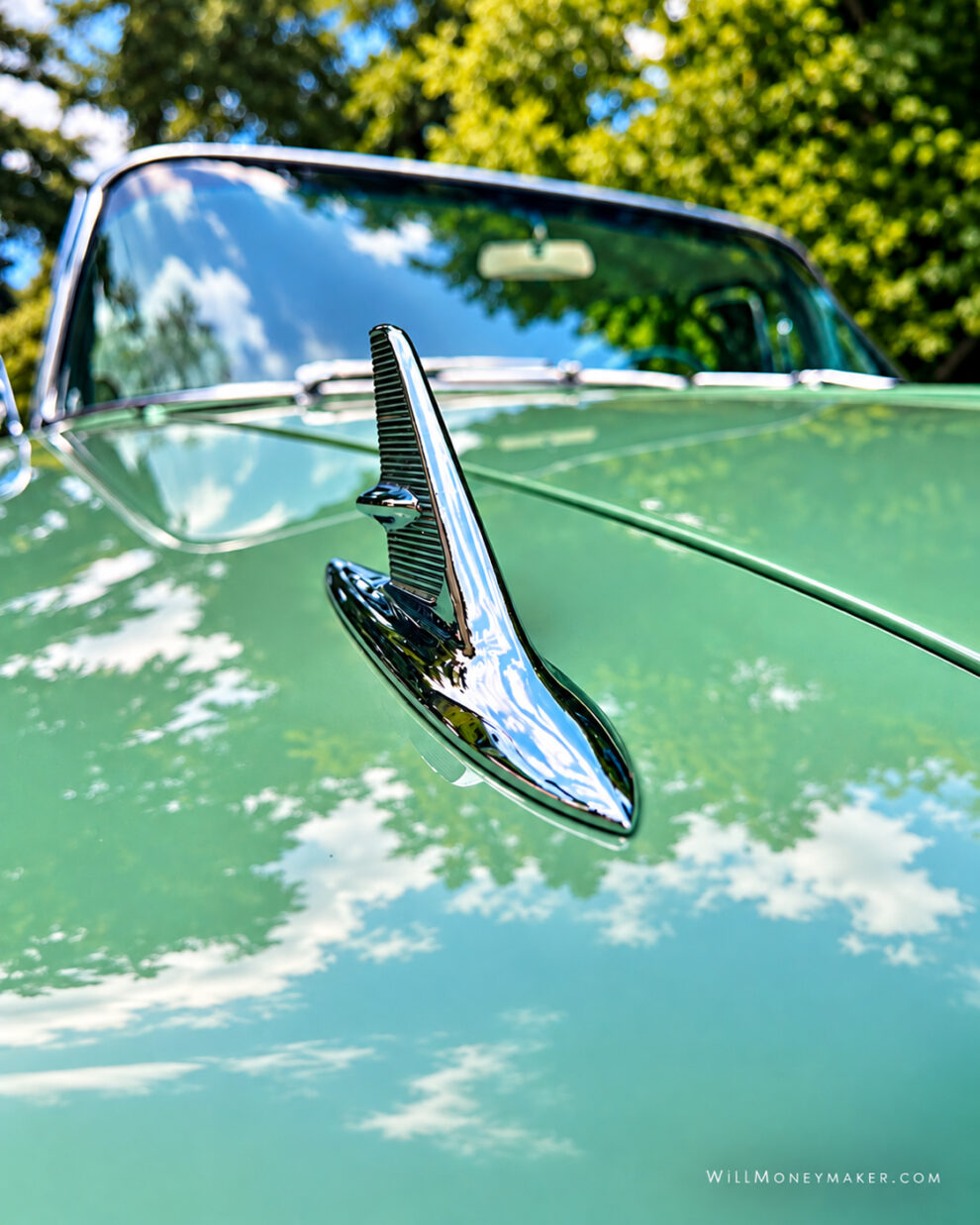
That’s what makes the idea interesting to me. With only twenty minutes, I wouldn’t have time to go searching for somewhere better. I’d have to work with whatever was right in front of me. Maybe I’d notice light falling across a wall differently than I had the day before. A reflection in a window might suddenly catch my attention. Two ordinary objects could line up in an unexpected way. Something sitting on a workbench might look completely different once I stop thinking about what it is and start paying attention to its shape, texture, or shadow.
None of that guarantees a good photograph, and I’m fine with that.
The point wouldn’t be to prove that I could make something worthwhile before the clock ran out. I wouldn’t want to turn it into a race or some kind of photography exercise where I had to produce a certain number of images. That would take away the part that interests me most.
I’d rather ask a simpler question:
What would I notice if I gave those twenty minutes my full attention?
You may have had the same experience of wanting to photograph and deciding there simply wasn’t enough time. I know I have. It’s easy to think about the afternoon I wish I had instead of considering the small opening that is actually available.
Maybe we underestimate those little pieces of time.
If I came back with one photograph I liked, that would be plenty. If I came back with nothing I wanted to keep, I wouldn’t necessarily consider the time wasted. I might discover an angle I hadn’t considered before or notice a place I’d like to see again in a different light. Sometimes simply finding a possibility is enough to change how I look at a familiar spot.
I think I’ve occasionally made going out with a camera more complicated than it needs to be. In my head, I start assembling all the pieces: enough free time, somewhere interesting to go, decent weather, the right equipment, good light. None of those things is unreasonable on its own, but put enough conditions together, and it becomes surprisingly easy to decide that today isn’t the day.
Twenty minutes strips most of that away.
There isn’t much time to prepare, and maybe there doesn’t need to be.
I also wonder what happens after those twenty minutes are over. If I spend a short amount of time really studying a familiar place, I may notice it differently the next time I walk through it. Once a certain reflection, shadow, shape, or bit of light catches my attention, it becomes harder to ignore afterward. A place that seemed completely ordinary can suddenly have a few more possibilities than I gave it credit for.
That interests me far more than seeing how many pictures I could make in a short period of time.
I don’t think twenty minutes needs to become a routine or a challenge. That would make it more complicated than it needs to be.
Maybe the better idea is simply to stop dismissing short stretches of time before they begin.
Twenty minutes may not be enough for a long drive, perfect light, or a carefully planned outing. But it is enough to look at one place a little more closely than I did before.
And sometimes that is where photography starts.