
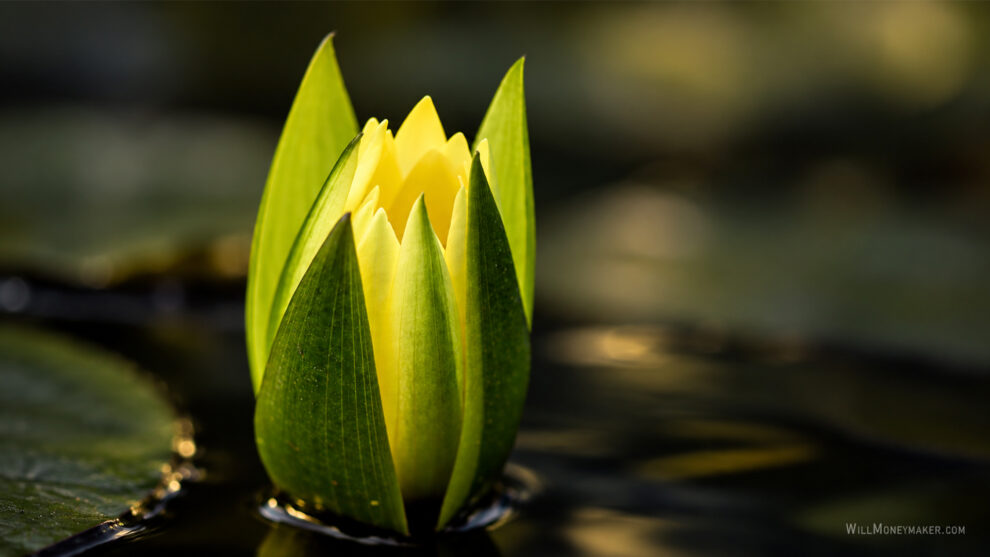
Suppose someone found one photograph of mine and knew nothing else about me.
What would that single image tell them?
Depending on which photograph they happened to see, they might think I was a landscape photographer. Pick another, and they might think wildlife is my main interest. Another could point them toward waterfalls, old buildings, street scenes, sports, or something I photographed simply because it caught my attention that day.
Every answer could be reasonable.
And every answer would be incomplete.
I started thinking about this because there are photographers whose names have become almost inseparable from one famous photograph. We see the image and immediately know who made it. Sometimes that photograph becomes so familiar that it begins to stand in for an entire career.
There’s nothing wrong with having a photograph remembered that way. Most photographers would probably be pleased to make even one image that people still want to look at years later. But one frame can’t explain everything a photographer noticed, tried, changed, or became over time.
That’s especially obvious when I look through my own work.
I’ve never photographed just one thing, and I’m glad I haven’t. My interests have moved around over the years. There were times when waterfalls interested me more than almost anything else. Landscapes have pulled me in. So I have wildlife, buildings, streets, sports, and subjects I never planned to photograph until I happened to notice them.
I don’t see that as an inconsistency.
I see it as curiosity.
One of the reasons photography has stayed interesting to me is that the camera gives me permission to become interested in something new. I can spend weeks thinking about one kind of photograph and then suddenly find myself drawn toward something completely different.
I would hate to reach the point where I looked at a subject and thought, I can’t photograph that because it doesn’t fit what people expect from me.
That sounds too limiting.
I’ve had the same experience when looking at photographers whose work I thought I already knew. I may recognize the image everyone reproduces, then look deeper and discover landscapes, portraits, color work, experiments, or quiet photographs that barely resemble the famous one.
That’s usually when the photographer becomes more interesting to me.
The famous photograph gets my attention.
The rest of the work shows me the person behind the camera.
Looking back through my own archives can do something similar. I’ve found photographs and wondered why I framed something that way. I’ve seen processing choices I wouldn’t make today. I’ve rediscovered subjects I once photographed often but hardly think about anymore.
None of that bothers me.
The photograph may be exactly the same, but I’m not the same photographer looking at it.
More years have passed. I’ve made more photographs. I’ve learned more about what interests me and what doesn’t. Some things I once liked have lost their pull, while other images I barely noticed years ago have become more interesting.
That change is healthy.
I think I’d be more concerned if I could look through decades of photographs and discover that nothing about the way I saw had changed at all.
We often talk about how cameras change because those changes are easy to measure. Sensors improve. Autofocus gets faster. Software becomes more powerful.
But the photographer changes too.
I don’t notice exactly the same things I did years ago. Some subjects hold my attention longer now. Others don’t. Experience has made me more patient in some situations and quicker to walk away from others.
No camera upgrade teaches that.
You learn it by looking, making photographs, getting some right, getting plenty wrong, and slowly discovering what keeps pulling you back.
That’s why I’m not sure how I feel about the idea of having one signature photograph represent everything.
If someone remembers one of my photographs years from now, I’d be grateful.
But I’d rather they look at several.
Better yet, I’d like them to look across the years.
Maybe they would notice subjects I returned to without realizing how often I returned to them. Perhaps they would notice changes in how I used light or space. Maybe they would find connections between photographs made years apart that I never consciously intended.
They might also find periods when I wandered off in completely different directions.
That would be fine too.
A single photograph can show where a photographer was for one fraction of a second.
The rest of the photographs show where that photographer went.
Learn More
Images That Changed How I See — the strongest match because it deals with how photographs influence the way a photographer sees and develops.
The Photographs We Keep — fits the sections about revisiting your archive and understanding older photographs differently over time.
The Thought Process Behind Every Photograph — complements the article by focusing on the decisions and thinking behind individual photographs. It is also currently listed on your site.