I was looking around the house recently and had a thought that seemed a little backward for a photographer.
What if I wanted to photograph the people who live here without putting any of them in the pictures?
No portraits. No faces. No one is sitting in a favorite chair or standing in a doorway. Just the things we leave behind as we move through an ordinary day.
At first, I wasn’t sure there would be much to photograph. A chair is a chair. Shoes by the door aren’t particularly exciting. A coffee cup left on a table probably isn’t going to stop anyone in their tracks.
But then I started looking at those things differently.
Photography Clips Newsletter
Get my latest articles, thoughts on photography and creativity, and Photography Clips episodes in your inbox.
The chair someone always chooses is no longer just furniture. A pair of glasses beside a book tells me somebody was there. A jacket hanging where it always hangs, something left on the kitchen counter, or a well-used work area can say quite a bit without showing anybody at all.
That interests me because I usually think of a portrait as a photograph of a person.
Maybe it doesn’t always have to be.
A Portrait Without Faces
If I photographed my home carefully enough, could someone who had never met me begin to understand something about the people who live here?
I’m not talking about arranging objects to create a still life. In fact, I think arranging everything would defeat the purpose. The interesting part would be photographing things as they really are, including some of the things I might normally move out of the frame.
Photographers have a habit of improving things. Move this. Straighten that. Close the cabinet door. Clear off the table. Wait until the room looks better.
But sometimes the things we want to remove are the things that say the most.
The worn spot on a chair didn’t happen by accident. Neither did the collection of things on a desk that another person might call clutter. Even something as simple as which coffee cup gets used every morning can become part of a person’s presence in a room.
What Everyday Objects Reveal
You could probably try this without even picking up a camera. Walk through your own home and notice which objects immediately make you think of someone.
She always leaves that there.
Nobody else sits in that chair.
He uses that every morning.
That has been on the shelf for years.
Those little details are easy to stop seeing because we live with them every day.
A camera might make them visible again.
The Home Details Time Makes Important
I’ve noticed something similar when looking at old family photographs. The people may have been the reason the picture was made, but years later I sometimes find myself studying everything behind them. The furniture. What was hanging on the wall. An old television. Something sitting on a table. A doorway into a room that no longer looks the same.
None of those things were supposed to be important.
Time changed that.
That makes me wonder what would happen if I photographed some of those details intentionally now, before they disappear into the background of everyday life.
Not everything needs to be recorded. I’m not interested in turning the house into an inventory. The challenge would be noticing which things actually carry some trace of the people who use them.
That could make for a very different kind of photography project.
No dramatic landscape. No special trip. No perfect location.
Just home.
And perhaps the strongest photographs wouldn’t be the cleanest rooms or the most attractive objects. They might be the things I’ve walked past so many times that I barely notice them anymore.
There’s something else I like about the idea too. People change when a camera appears. Even someone comfortable being photographed becomes aware of it.
Objects don’t.
A chair doesn’t straighten itself. A coffee cup doesn’t smile. A room doesn’t try to make a good impression.
It remains exactly as it was before I walked in with the camera.
Maybe that can tell me something a traditional portrait might miss.
A photograph doesn’t always have to show a person to contain evidence of a life.
Sometimes the person has already left the room.
The photograph can still tell you they were there.
Learn More
The Things I Keep Walking Past: Photography Blind Spots
About the Photograph
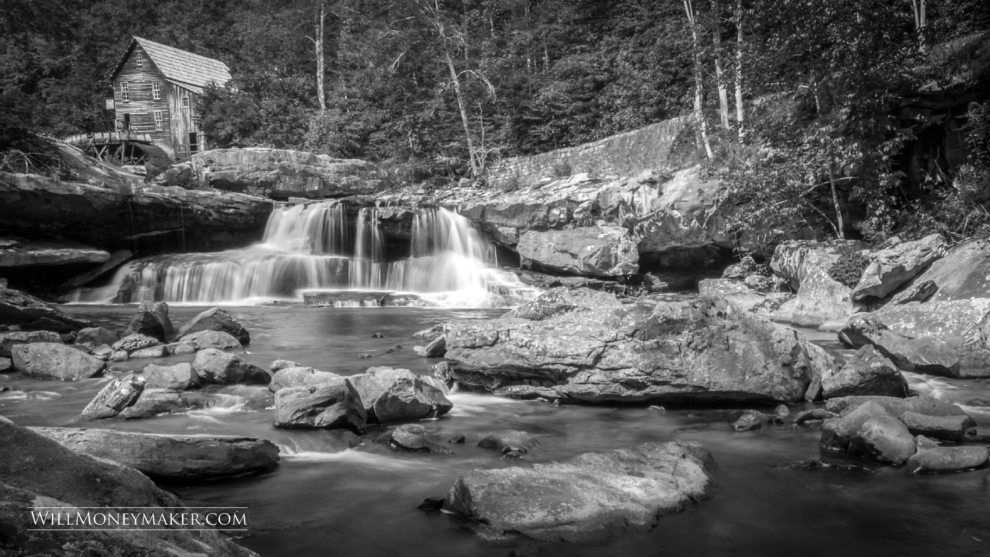
Photograph taken at Babcock State Park near Clifftop, West Virginia. Photograph by Will Moneymaker.
Photography Clips Newsletter
Keep looking. Keep creating.
Follow along with my photographs, journal entries, Photography Clips, and occasional life updates.
Free to join. Unsubscribe anytime.