I’ve talked a lot about composition and landscape photography because it’s such a rewarding genre. There’s a lot to learn, and everyone who spends time with it comes away better for it. Today, I want to go a little deeper and look at some advanced ideas, the kinds of things that really make your landscapes stand out. Some of these ideas bend the usual rules a bit, but sometimes that’s exactly what creates something unique.
Let’s start with white balance, because it’s one of the easiest things to overlook. When you’re out shooting and paying attention to color, detail, and composition, white balance often gets ignored on purpose. Photographers sometimes add a cool blue cast to make an image feel nostalgic, or warm everything up with reds and golds to give the impression of a sunset. There’s nothing wrong with using those tones, but trouble starts when they’re pushed too far and the whites disappear. Once white balance gets that far off, the photo takes on a surreal or artificial look, and that can make the whole scene feel less believable.
The fix is simple. Look for the white or light-colored elements in your image and make sure they look true to life. If something feels too blue or too orange, your eye will pick it up right away. You can correct it in the camera or later in your editing software. Either way, getting your whites right keeps the whole photo grounded.
Now let’s talk about perspective. Most of us save up for the widest lenses we can get, because those sweeping views are irresistible. A wide angle done well can show an entire landscape in one frame. But that doesn’t mean wide is always the right answer. Sometimes a narrower perspective works better, especially if you want to emphasize one specific subject without letting the surroundings distract from it.
The way I think about it is simple: space or object. If the photograph needs a sense of space, go wide. If the photograph needs to highlight a single subject, go narrow. Study your scene and choose the lens that supports the feeling you want the viewer to have.
Foreground objects are another area where photographers split into two groups. Traditionally, people avoided them: flowers, branches, anything too close to the lens was considered a distraction that pulled the viewer away from the grand scene.
There’s some wisdom there, because foreground elements can take attention away from the middle or background. But layering is powerful too. A good landscape often draws the viewer from the front of the frame to the back, giving them something to discover at every distance. Foreground details can even act as a natural frame. A low shrub, a patch of flowers, a set of branches curling in from the edge, all of these can shape the composition in a pleasing way. The key is to decide what helps the image and what gets in the way.
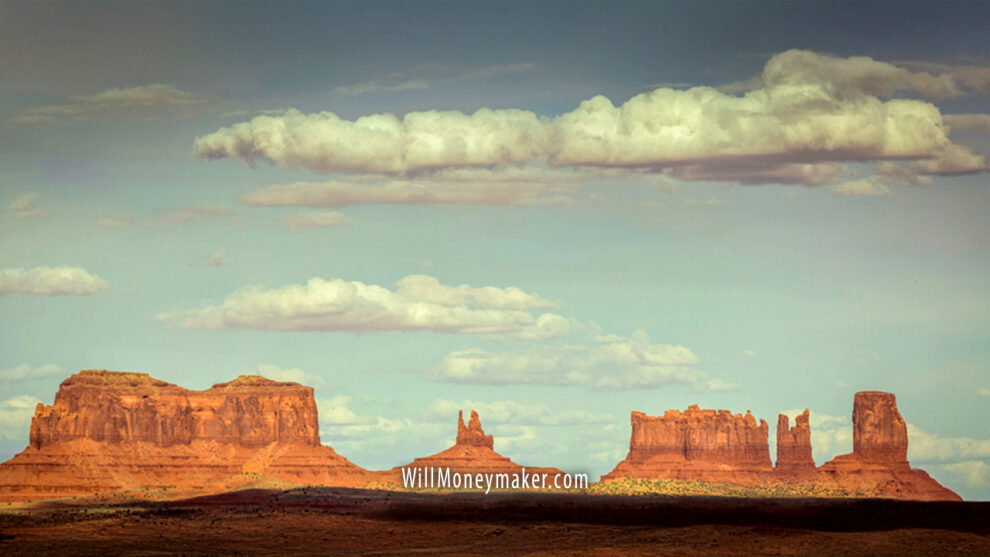
Light is another tool for adding depth. Layering helps, but it only gets you so far, especially when a scene doesn’t have many natural layers to work with. Directional light is what brings landscapes to life. You won’t get much of it on cloudy days, since the clouds scatter the light and remove shadows. You won’t get it at midday either, because the sun is directly overhead and the shadows fall straight down.
The best directional light is in the morning or late afternoon, when the sun comes in at an angle. Those long shadows across the ground add shape and dimension, preventing that flat look that midday light tends to create.
Landscape photography has an endless amount to teach. It’s one of the most flexible genres, and almost any skill you gain here can transfer into other types of photography. The reverse is also true. Skills you’ve learned elsewhere can bring something fresh to your landscapes. So try things. Experiment. See what works.
Most of all, enjoy being out there. There’s no better way to appreciate the beauty of God’s creation than by experiencing it through your lens.